Women’s Health Clinic in Padur: PCOS & Pregnancy Care
Introduction
Women’s health concerns such as irregular periods, PCOS, hormonal imbalances, and pregnancy-related complications can affect physical and emotional well-being. According to the World Health Organization (WHO), PCOS affects an estimated 10–13% of women of reproductive age worldwide, yet many remain undiagnosed. Early medical guidance can help women understand their symptoms, manage health conditions, and prepare for pregnancy. A Women’s Health Clinic in Padur can be a starting point for accessing appropriate consultations, preventive screenings, and reproductive health guidance. From understanding PCOS symptoms to receiving antenatal care, every stage deserves personalised attention. This guide explores essential women’s healthcare services, preventive measures, and practical steps to help women make informed decisions about their health and pregnancy journey. Living with PCOS or finding it difficult to plan a pregnancy? Get informed about your women’s healthcare options and take a confident step towards personalised support. Explore Ayra Healthcare
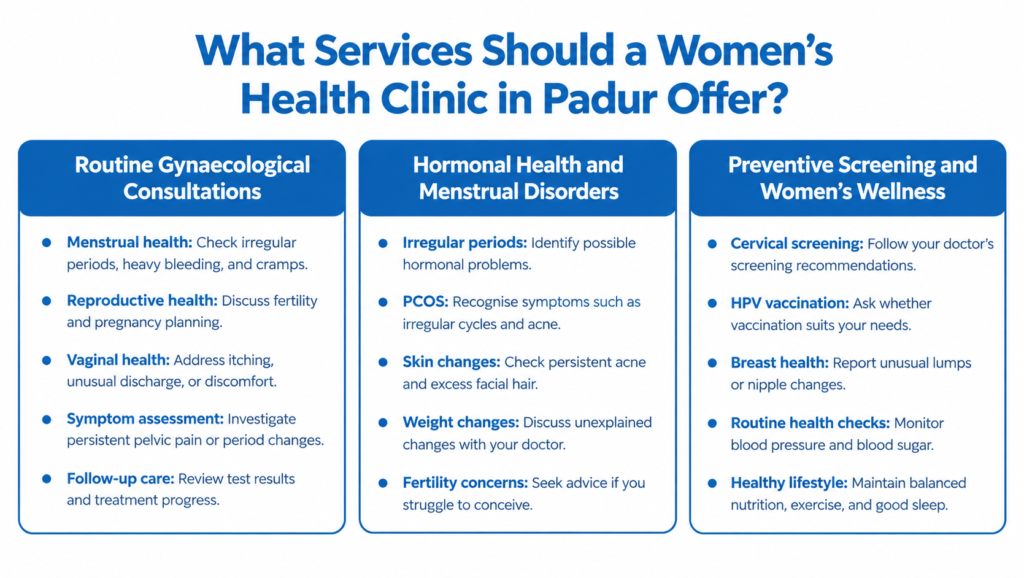
What Services Should a Women’s Health Clinic in Padur Offer?
A reliable Women’s Health Clinic in Padur should help women manage reproductive health concerns, understand hormonal changes, and access preventive care. Women need medical guidance at different life stages, from their first menstrual period to pregnancy and menopause. Women’s Health Clinic in Padur, a comprehensive clinic should offer gynaecological consultations, menstrual health assessments, pregnancy guidance, and age-appropriate health screenings. According to the World Health Organization (WHO), approximately 10–13% of women of reproductive age worldwide have polycystic ovary syndrome (PCOS). Early assessment can help women understand their symptoms and explore suitable management options. Choosing appropriate healthcare services helps women make informed decisions and maintain their long-term well-being.
Routine Gynaecological Consultations
Routine gynaecological consultations help women understand changes in their menstrual cycles, reproductive health, and overall well-being. A gynaecologist can assess symptoms, recommend appropriate investigations, and explain suitable treatment options based on individual needs. Women should seek medical advice when they experience persistent pelvic pain, unusual bleeding, or significant changes in their periods.
During a consultation, your doctor may discuss:
- Menstrual health: Irregular periods, heavy bleeding, or severe cramps.
- Reproductive health: Fertility concerns, contraception, and pregnancy planning.
- Vaginal health: Unusual discharge, itching, or discomfort.
- Follow-up care: Reviewing test results and monitoring ongoing symptoms.
For example, a woman who frequently misses periods can consult a doctor to investigate possible hormonal conditions, including PCOS. Regular consultations help women recognise concerns early and make informed healthcare decisions.
Hormonal Health and Menstrual Disorders
Hormonal changes can affect menstrual cycles, skin health, mood, and fertility. Conditions such as polycystic ovary syndrome (PCOS) and thyroid disorders may contribute to irregular periods. The WHO estimates that PCOS affects 10–13% of women of reproductive age worldwide, and up to 70% of affected women may remain undiagnosed. Women’s Health Clinic in Padur recognising persistent symptoms helps women seek appropriate medical advice instead of relying on self-diagnosis.
Common signs that deserve attention include:
- Irregular periods: Cycles that frequently vary or periods that stop unexpectedly.
- Acne and excess facial hair: Possible signs of hormonal imbalance.
- Unusual weight changes: Changes that occur alongside other symptoms.
- Heavy or painful periods: Symptoms that interfere with daily activities.
- Fertility concerns: Difficulty becoming pregnant when trying to conceive.
A doctor may recommend a medical history review, blood tests, or other investigations. Treatment depends on the underlying cause, symptoms, and individual health goals.
Preventive Screening and Women’s Wellness
Preventive healthcare helps women identify certain health risks before they cause serious problems. A Women’s Health Clinic in Padur can guide women on suitable screenings, vaccinations, and routine health assessments according to their age, medical history, and risk factors. The WHO reports approximately 604,000 new cervical cancer cases worldwide in 2024, highlighting the importance of prevention and early detection.
Examples of preventive care include:
- Cervical cancer screening: A healthcare professional can recommend appropriate screening based on age and medical history.
- HPV vaccination: Eligible individuals can discuss vaccination to reduce the risk of HPV-related disease.
- Breast health: Report a new lump, nipple changes, or other unusual symptoms promptly.
- General health checks: Blood pressure, blood sugar, and other assessments may help identify health risks.
- Lifestyle guidance: Balanced nutrition, regular physical activity, and adequate sleep support overall wellness.
For example, a woman who has never attended cervical screening can ask her doctor when she should begin. A personalised preventive care plan helps her understand which checks she needs and when to schedule them.
PCOS: Symptoms, Diagnosis and Treatment Options
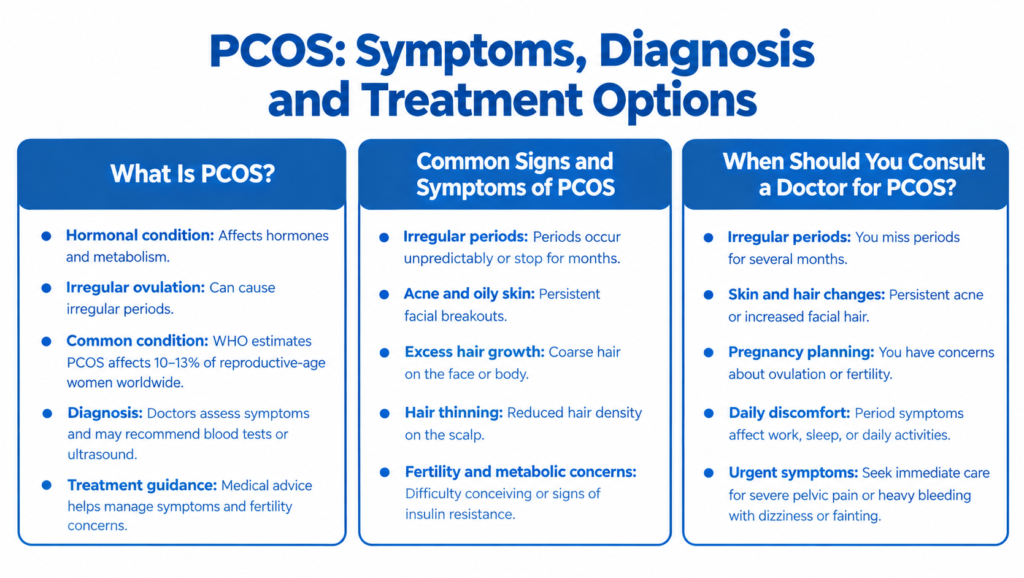
Polycystic ovary syndrome (PCOS) is a common hormonal condition that can affect menstrual cycles, skin health, ovulation, and fertility. The World Health Organization estimates that PCOS affects 10–13% of women of reproductive age worldwide, and up to 70% of affected women remain undiagnosed. Recognising symptoms early helps women seek medical advice and understand their options. A Women’s Health Clinic in Padur can help patients explore appropriate assessments and personalised management plans. Although PCOS has no cure, lifestyle changes and medical treatments can help manage symptoms and reduce certain long-term health risks.
What Is PCOS?
Polycystic ovary syndrome treatment (PCOS) is a hormonal and metabolic condition that can affect women during their reproductive years. It often involves higher androgen levels and irregular ovulation, which may cause changes in menstrual cycles, skin, hair growth, and fertility. The WHO estimates that 10–13% of women of reproductive age worldwide have PCOS.
Doctors assess symptoms, medical history, and appropriate test results to diagnose PCOS. They may recommend blood tests to check hormone levels and other health markers. An ultrasound can help in some cases, but you do not need ovarian cysts to have PCOS.
PCOS affects each person differently. Some women mainly experience irregular periods, while others notice acne or difficulty becoming pregnant. A Women’s Health Clinic in Padur can help women discuss these concerns and understand suitable next steps with a qualified healthcare professional.
Common Signs and Symptoms of PCOS
PCOS can cause different symptoms, and not everyone experiences the same combination. Some women notice menstrual changes first, while others seek advice about acne, unwanted hair growth, or fertility concerns. Women’s Health Clinic in Padur recognising persistent changes can help you decide when to seek medical guidance. The WHO also links PCOS with an increased risk of insulin resistance and type 2 diabetes.
| Common symptom | What you may notice |
| Irregular periods | Periods arrive unpredictably or stop for several months |
| Acne and oily skin | Persistent breakouts, particularly around the face |
| Excess hair growth | Coarser hair on the chin, upper lip, or body |
| Hair thinning | Reduced hair density on the scalp |
| Ovulation difficulties | Challenges with conceiving |
| Metabolic changes | Weight changes or signs of insulin resistance |
These symptoms do not automatically confirm PCOS. Other conditions can cause similar changes, so consult a healthcare professional for an accurate assessment. Track your periods and symptoms before your appointment to help your doctor understand your concerns.
When Should You Consult a Doctor for PCOS?
Consult a doctor if you experience persistent irregular periods, unexplained changes in hair growth, ongoing acne alongside menstrual changes, or difficulty becoming pregnant. Women’s Health Clinic in Padur the NHS recommends medical advice when periods become irregular, last longer than seven days, or occur alongside symptoms such as weight changes or increased facial hair.
Consider these examples:
- Irregular periods: You repeatedly go several months without menstruating.
- Skin and hair changes: You develop persistent acne and notice increased facial hair.
- Pregnancy planning: You have irregular cycles and want to understand your fertility.
- Daily discomfort: Menstrual symptoms interfere with work, sleep, or everyday activities.
A doctor may review your medical history and recommend blood tests or other investigations to identify the cause. Women’s Health Clinic in Padur do not self-diagnose PCOS based on one symptom or an ultrasound alone. If you need local guidance, a Women’s Health Clinic in Padur can be a starting point for discussing appropriate care. Seek urgent medical attention for sudden severe pelvic pain or heavy bleeding accompanied by dizziness or fainting.
Women’s Health Clinic in Padur pregnancy Care: From Planning to Delivery
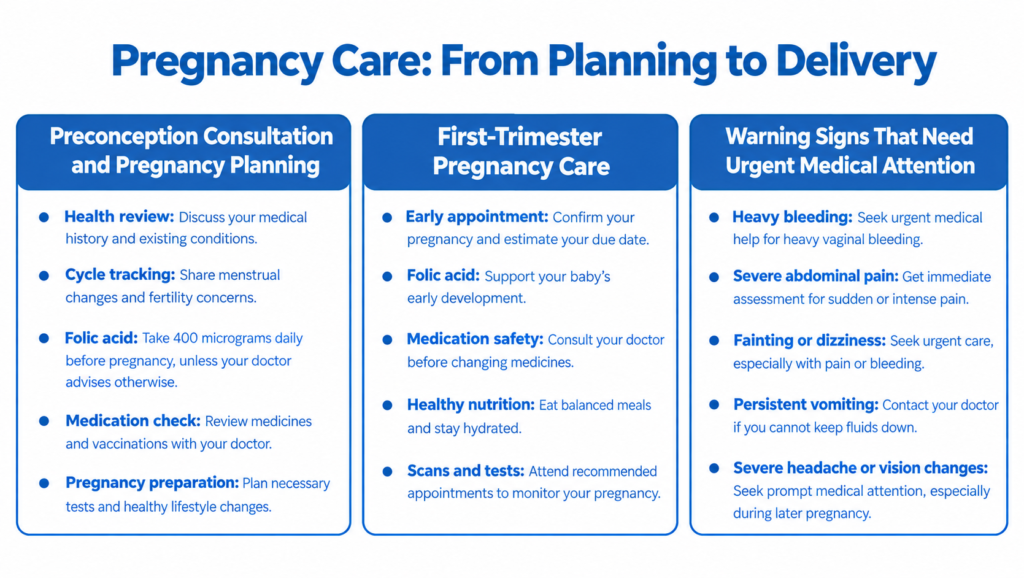
Pregnancy care starts before conception and continues through delivery. Regular check-ups help you understand your health, monitor your baby’s growth, and identify potential complications early. The World Health Organization (WHO) recommends at least eight antenatal contacts during pregnancy to reduce perinatal deaths and improve women’s experiences of care. A Women’s Health Clinic in Padur can guide you through pregnancy planning, routine tests, nutrition, and birth preparation. Every pregnancy differs, so your doctor will tailor advice to your medical history and needs. Starting care early helps you make informed decisions and feel more confident throughout this important journey.
Preconception Consultation and Pregnancy Planning
Planning a pregnancy gives you time to prepare your body and discuss any health concerns with your doctor. During a preconception consultation, your doctor reviews your medical history, menstrual cycle, current medicines, vaccinations, and family health history. You can also discuss PCOS, thyroid conditions, diabetes, or previous pregnancy complications.
Start taking 400 micrograms of folic acid daily before conception, ideally at least one month before you try to become pregnant, unless your doctor recommends a different dose. Folic acid helps reduce the risk of neural tube defects in the developing baby.
A Women’s Health Clinic in Padur can help you plan the right tests and lifestyle changes. For example, if your periods occur irregularly, your doctor can assess possible ovulation problems and advise you on the next steps.
First-Trimester Pregnancy Care
The first trimester covers weeks 1–12, when your baby’s major organs begin to develop. Early appointments help your doctor estimate your due date, review your health, and plan essential tests. A Women’s Health Clinic in Padur can guide you through these important first steps.
During your first trimester, remember to:
- Book an early appointment: Confirm your pregnancy and discuss your medical history.
- Take folic acid: The CDC recommends 400 micrograms daily to help prevent certain brain and spinal birth defects.
- Discuss medicines: Check with your doctor before starting or stopping medication.
- Choose balanced meals: Eat nutritious foods and drink enough water.
- Attend recommended scans and tests: Follow your doctor’s schedule to monitor your health and your baby’s development.
Regular care helps you understand each stage and address concerns early.
Warning Signs That Need Urgent Medical Attention
Some pregnancy symptoms need immediate medical assessment. Do not assume that severe pain or heavy bleeding represents a normal part of pregnancy. Contact your doctor or seek emergency care if you notice worrying symptoms.
Watch for these warning signs:
- Heavy vaginal bleeding: For example, bleeding that soaks a pad quickly or comes with weakness.
- Severe abdominal pain: Sudden, intense pain, especially on one side, may signal a serious complication.
- Fainting or severe dizziness: Seek urgent help, particularly when these symptoms accompany pain or bleeding.
- Persistent vomiting: Get medical advice if you cannot keep fluids down.
- Severe headache or vision changes: Contact a healthcare professional promptly, especially later in pregnancy.
A Women’s Health Clinic in Padur can assess symptoms and guide you towards appropriate care. If symptoms feel severe or worsen quickly, visit an emergency department rather than waiting for a routine appointment.
Can Women With PCOS Have a Healthy Pregnancy?
Yes, women with polycystic ovary syndrome (PCOS) can have healthy pregnancies. Women’s Health Clinic in Padur: PCOS can affect ovulation and make conception more difficult, but the right care can improve pregnancy planning. The World Health Organization estimates that PCOS affects around 10–13% of women of reproductive age worldwide. Some women with PCOS may also face a higher risk of gestational diabetes, high blood pressure, or pregnancy complications. Regular medical check-ups help identify these risks early. A Women’s Health Clinic in Padur can guide you through fertility assessment, healthy lifestyle changes, and antenatal care. With personalised support, many women with PCOS achieve successful pregnancies.
Understanding PCOS and Fertility
PCOS can affect fertility because hormonal imbalances may prevent the ovaries from releasing an egg regularly. This process, called ovulation, helps you conceive. You may notice irregular periods, skipped periods, or difficulty predicting your fertile days.
The WHO identifies PCOS as a leading cause of anovulation-related infertility. However, Women’s Health Clinic in Padur knows PCOS does not mean you cannot become pregnant. Many women conceive naturally, while others benefit from medical support that encourages ovulation. Your doctor may review your menstrual history, hormone levels, and other health factors before recommending treatment.
If you have PCOS and plan to conceive, consult a gynaecologist early. A Women’s Health Clinic in Padur can help you understand your fertility options and create a suitable pregnancy plan.
Preparing for Pregnancy With PCOS
Preparing for pregnancy with PCOS starts with understanding your current health and managing any related conditions. Your doctor may check blood sugar, blood pressure, menstrual patterns, and other factors that can affect conception and pregnancy. Women’s Health Clinic in Padur small, consistent lifestyle changes can also support your overall well-being.
| Preparation step | Why it matters |
| Eat balanced meals | Supports nutrition and blood sugar management |
| Stay physically active | Supports metabolic health |
| Take folic acid | Helps reduce the risk of neural tube defects |
| Review medicines | Helps your doctor check pregnancy safety |
| Track your periods | Helps identify possible ovulation patterns |
Ask your doctor about folic acid before you start trying to conceive; many people planning pregnancy should take 400 micrograms daily, unless their clinician recommends another dose. A Women’s Health Clinic in Padur can help you choose appropriate tests and next steps.
Women’s Health Clinic in Padur: Why Regular Antenatal Care Matters
Regular antenatal care helps your doctor monitor your health, track your baby’s growth, and identify possible complications early. Women’s Health Clinic in Padur this care matters even more when you have PCOS, as the condition can increase the risk of gestational diabetes and high blood pressure during pregnancy.
The WHO recommends at least eight antenatal contacts throughout pregnancy to help detect and manage potential problems. For example, your doctor may recommend a blood sugar test to check for gestational diabetes or monitor your blood pressure at routine appointments. You should also discuss scans, nutrition, medicines, and any new symptoms.
A Women’s Health Clinic in Padur can help you follow your appointment schedule and understand each test. Attend your appointments even when you feel well, because some pregnancy complications may develop without obvious early symptoms. Take charge of your women’s health journey. Visit Ayra Healthcare to explore your next steps for PCOS care, fertility planning, and pregnancy wellness. Visit Ayra Healthcare Today
Conclusion
Women’s healthcare plays an important role in every stage of life, from managing PCOS and menstrual concerns to planning a pregnancy and receiving regular antenatal care. Understanding your symptoms, making healthy lifestyle choices, and attending routine check-ups can help you make informed decisions about your well-being. Early medical guidance also helps identify potential concerns and supports better reproductive health. Choosing a Women’s Health Clinic in Padur can be an important step towards understanding your individual healthcare needs. Whether you want to manage PCOS, explore fertility options, or prepare for a healthy pregnancy, start by seeking reliable medical guidance. Ready to prioritise your health? Visit Ayra Healthcare to explore your healthcare options and take the next step towards a healthier future.
Frequently Asked Questions
1. What services does a women’s health clinic offer?
A women’s health clinic may provide gynaecological consultations, menstrual health assessments, PCOS management, fertility guidance, pregnancy care, and preventive screenings.
2. When should I visit a Women’s Health Clinic in Padur?
Visit a clinic if you experience irregular periods, unusual bleeding, persistent pelvic pain, hormonal changes, or concerns about fertility or pregnancy.
3. What are the common symptoms of PCOS?
Common symptoms include irregular periods, acne, excess facial hair, scalp hair thinning, and difficulty conceiving. A doctor can assess your symptoms and recommend suitable tests.
4. Can women with PCOS become pregnant?
Yes. Many women with PCOS conceive naturally, while others may need medical support to manage ovulation and improve their chances of pregnancy.
5. How can I prepare for a healthy pregnancy?
Schedule a preconception consultation, discuss existing health conditions and medicines, eat balanced meals, and ask your doctor about folic acid supplementation.
6. When should I start antenatal care?
Arrange your first pregnancy appointment as soon as you confirm your pregnancy. Early care helps your doctor plan check-ups, tests, and nutritional guidance.
7. How many antenatal appointments do I need?
The World Health Organization recommends at least eight antenatal contacts during pregnancy to support maternal and baby health.
8. Are irregular periods always a sign of PCOS?
No. Stress, thyroid conditions, weight changes, and other factors can affect your menstrual cycle. A healthcare professional can help identify the cause.
9. Which pregnancy symptoms need urgent medical attention?
Seek urgent care for heavy bleeding, severe abdominal pain, fainting, or severe dizziness. Contact your healthcare professional promptly for other concerning symptoms.
10. How can I explore women’s healthcare options in Padur?
Visit Ayra Healthcare to explore available healthcare information and identify the next steps for your individual needs.